What Do Bats Do in the Summer?

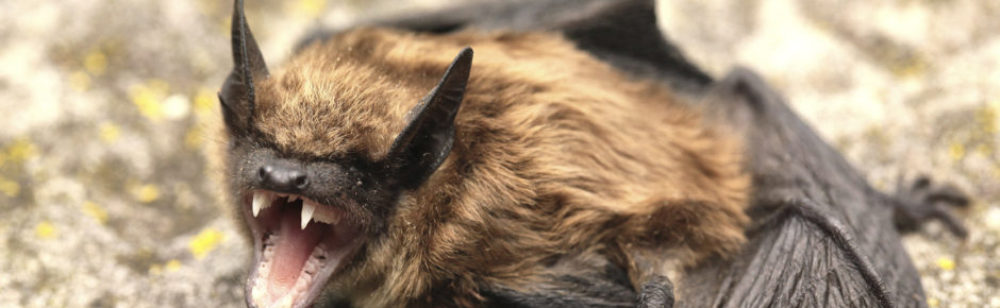
Bats are one of the most interesting and amazing creatures on the planet. Among a long and fascinating list of facts, bats are the only mammalian species that is capable of true flight! Other species can soar or float on wind current, but bats can actually fly like the wind. Bats are also ecologically important, as they help pollinate and protect some of our most valuable crops, plus boost our local economies.

We simply don’t have the time to go over all the incredible benefits we reap from our local and global bat populations, but we can discuss what bats are up to this summer in Virginia!
Bat Removal Company Richmond Virginia <a href=804-729-9097” class=”wp-image-831″/>
Bat Removal Company Richmond Virginia 804-729-9097

Bat Activity and Behavior in the Summer

Family Time

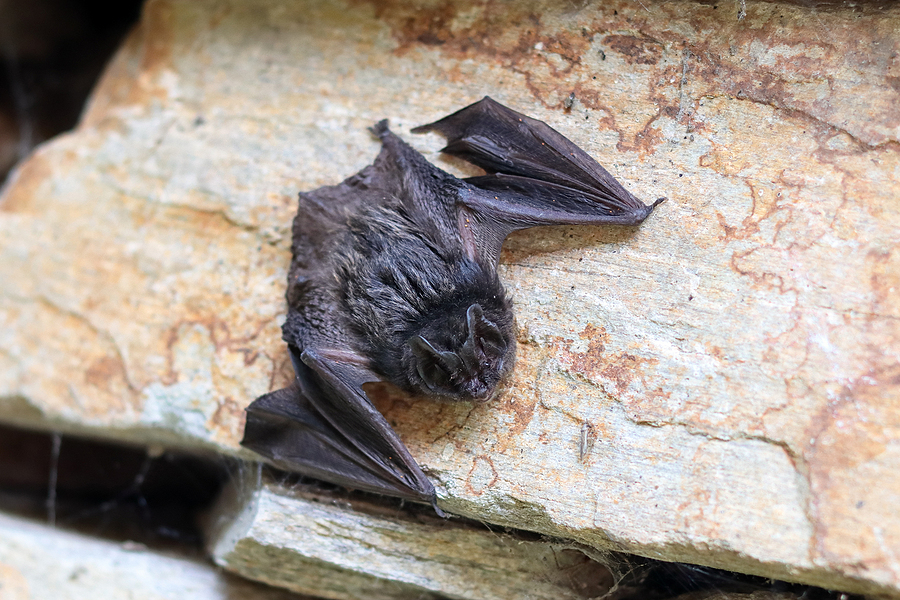
Bats are just like us when it comes to spending the summer months. They focus their attention on their families! Bats use most of their time in the summer to raise their babies, called pups, in the roosts they’ve secured earlier in the season. Bats typically like to roost in natural settings like caverns, caves, cliffsides, and hollowed tree cavities, as well as urban settings like attics, chimneys, and bell towers.

Female bats generally give birth to a single pup, so that baby bat gets mom’s tender, love, and care all to itself! Of course, this also increases the bat’s chance of survival, which is critical to local bat preservation. Because baby bats cannot fly within the first few months of their lives, mother bats must leave them in their roosts during the dusk and evening hours to hunt for food and gather water. Mother bats must stay strong so they can continue to provide nutritious milk for their pups. Remember, bats are mammals!

Hunting

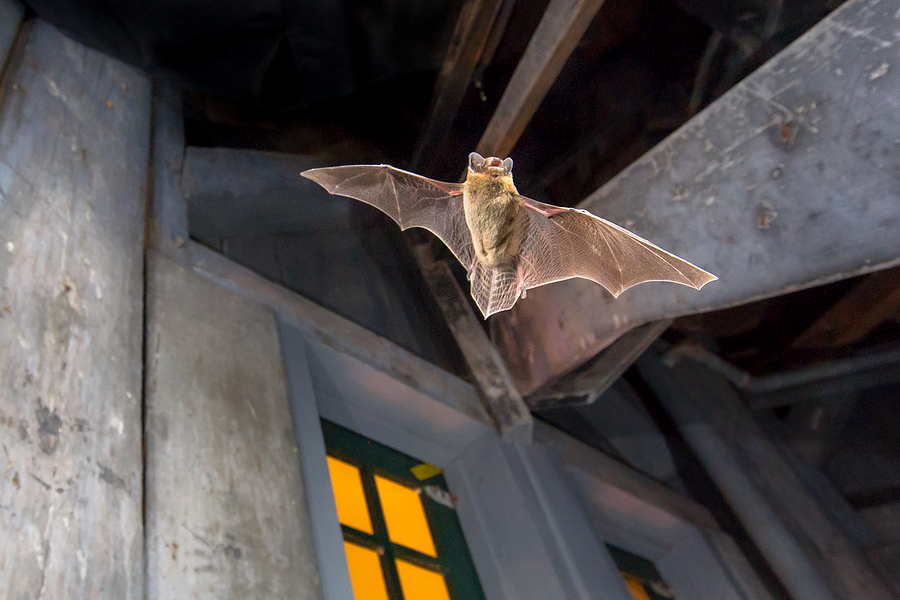
Summer is the perfect season for insect activity, which is exactly what bats are looking for when they head out of their roosts at dusk to hunt. Bats are insectivores that like to eat insects like mosquitos, moths, gnats, and similar flying bugs. Here in Virginia, bat species have built-in sonar known as echolocation that allows them to dive and dart for prey with acute precision.

Bats eat a lot of insects each night. In fact, one single bat can eat more than its own body weight in insects and a single evening. This is like nature’s pest control, making our backyard barbecues a much more comfortable experience! A bat’s diet also contributes to protecting our local crops, which in turn boosts the economy.

Nuisance Activity

Although bats are an incredible advantage to our world, sometimes they can get a little too close for comfort. Bats can enter into nuisance territory when they decide to roost inside your home or business. As mentioned earlier, bats typically choose dark and private places to roost, such as chimneys, attics, wall voids, and even under porches and along roofing. These places are shady and cool, which keeps them comfortable in the summer climate.

But bat roosts can create a lot of structural damage which can be costly and invasive to repair. Furthermore, bats leave behind. What a mess that can pose several health and safety risks to your loved ones and pets. If you suspect that you have bats in the attic or other area of your property, contact a licensed and insured Virginia bat removal company. They can provide safe and humane bat removal services if they discover bat roosts upon inspection.

Are you looking for a trusted Virginia critter control company to help you solve your nuisance bat problems? Contact Virginia Bat Pros at 804-729-9097 for professional Richmond bat removal and attic restoration services for bat infestations. We serve residential and commercial properties.

Related Posts:

How to Animal Proof Your Home Against Bats
There Might Be a Bat Infestation in Your House if You See These Signs
Top 3 Signs That Suggest You Have Bats in Your House
Can Bats See Without Using Echolocation?

Have you ever used the adage, “blind as a bat?” If so, you may be disappointed to learn that you were incorrect. That is because bats are not actually blind. But don’t be ashamed if you always thought this; many people share the same misconception. The truth is that there are more than 1,100 bat species in the world, and not one of those species is blind. What’s even more interesting is that they actually have quite good vision, especially Megachiroptera species (fruit and old-world). This makes sense, as they are night-hunters. So, vision is important for darting and dashing for prey.

Continue reading to learn more interesting facts about bat vision, echolocation, and more.

Virginia Bat Removal Service <a href=804-729-9097” class=”wp-image-828″/>
Virginia Bat Removal Service 804-729-9097

Not All Bats Have Echolocating Abilities

There are two main categories of bat species: Megachiroptera and Microchiroptera (also known as megabats and microbats). One of these bat groups have echolocating abilities, while the others do not.

Megachiroptera Bat Species

Megachiroptera are large bats that live in tropical and subtropical climates. They maintain a diet of fruits and nectar, but some species are also known to consume small amphibians and fish. As for vision, Megachiroptera have large eyes and pronounced visual cortex that allow them to see very well. They also have a good sense of smell. Some species, like Flying Foxes, actually see well during the day, and are dependent on their daytime vision to fly around on moonless nights. They can also see in color!

Microchiroptera Bats

Microchiroptera, or microbats, are different from Megabats in many ways; however, their vision is just as good. Despite their poorly developed small eyes, scientists have confirmed that microbats have both rods and cone photoreceptor cells in the retinas, giving them the ability to see in the day, in color, and at night. Furthermore, Microchiroptera (not all species, but most) have a built-in sonar system called echolocation, which emits high-frequency ultrasonic pulses into the air that bounce back and outline the surrounding environment. This is why many people believe these mammals are blind; but echolocation is simply a bonus attribute that allows microbats to hunt faster and better for insects like mosquitos, moths, flies, gnats, and more.

Nuisance Bat Problems

If you are experiencing nuisance bat problems in or around your property, you have safe and affordable options. Never attempt to catch, trap, touch, harm, or kill a bat. Not only are there possible laws against this, which could subject you to some hefty fines and other civil penalties, but bats also carry diseases, some of which are deadly. Always contact a licensed and insured bat removal and control company in Richmond, VA for non-lethal, licensed assistance you can trust.

Are you looking for cheap and humane ways to get rid of a bat on your property? Contact Virginia Bat Pros at 804-729-9097 for fast and secure bat removal services in Virginia, including Richmond, Salem, Leesburg, and all surrounding areas. We serve residential and commercial clients.

Related Posts:

Do Bats Use Sounds to See?
The True Facts About Bats and Blindness
Will a Sonar Jammer Keep Nuisance Bats Away?

How Do-It-Yourself Bat Removal Can Lead to a 50 Thousand Dollar Fine

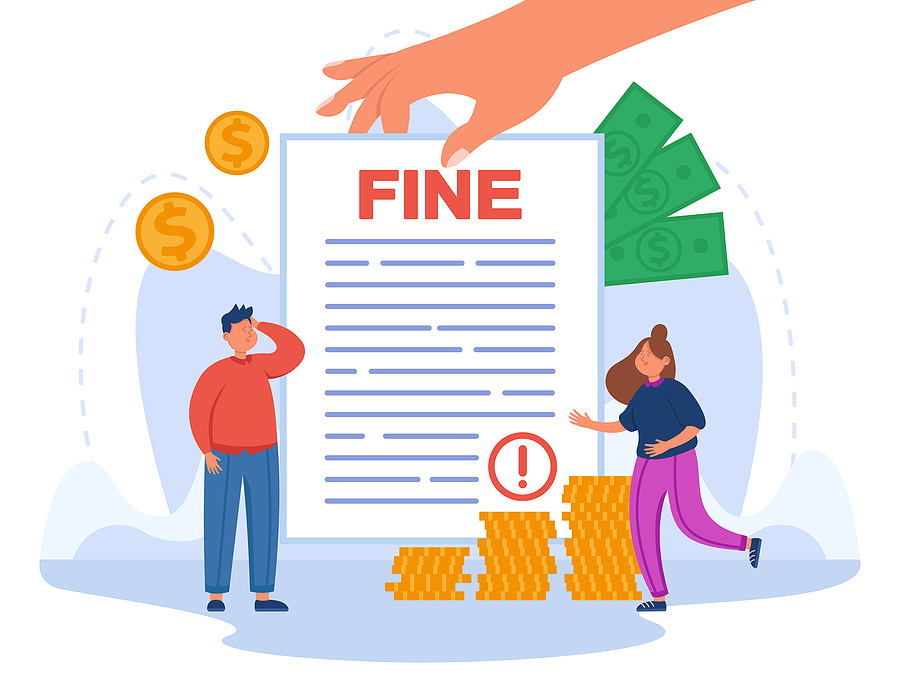
If you have a nuisance bat problem in or around your house, be wise and hire a professional for licensed bat removal service. If you attempt to get rid of bats on your own, you may be unknowingly subjecting yourself to some very serious consequences. Fifty thousand of them to be exact. Not only can tampering with the wrong species of bat land you in the civil hotseat, but it might also force you to pay a fine higher than your annual income.

Continue reading to learn how DIY bat removal can lead to a $50,000 fine, plus what you should do instead if you have bats on your property.

Professional Bat Removal Richmond Virginia <a href=804-729-9097” class=”wp-image-824″/>
Professional Bat Removal Richmond Virginia 804-729-9097

Federal Laws Regarding Endangered and Threatened Bats

In general, it is illegal to capture a bat and let it go in the wild somewhere else. It is also illegal to poison any animal on residential property other than rats and mice. Aside from these two important critter laws, there are additional legal matters regarding threatened and engendered species, which are both Federally-protected. Here in Virginia, we are home to 15 species of bat, but three are listed as threatened or endangered: the Gray bat, Indiana bat, and Virginia Big-Eared bat.

Most bats in Virginia look alike, so being able to identify and distinguish one species from the next is not something the average homeowner can do. If you were to unknowingly touch, harm, trap, capture, or kill one of these three species of endangered or threatened bat species, you could face a lot of legal trouble: namely, fines.

Fines for Tampering With an Endangered or Threatened Bat

The Endangered Species Act sets forth specific regulations and limitations that protect endangered or threatened animals. It strictly prohibits anyone from attempting to “harass, harm, pursue, hunt, shoot, wound, kill, trap, capture, collect, or attempt to engage in any such conduct” with any endangered or threatened species of wildlife, including bats. Violating the laws governed by the Endangered Species Act will result in a misdemeanor or felony charge.

Most violations of the Endangered Species Act are charged as Class A Misdemeanors, which come with a mandatory $2,500 fine, plus up to one year in county jail. Felony violations involving a threatened species of bat will result in a fine of $25,000 and possibly up to 6 months in prison. Felony violations involving an endangered bat species will result in a fine of $50,000 and possibly up to 6 months in federal prison.

Virginia State Laws for Bats

There are important state laws surrounding wild bats you should be aware of. According to the Department of Game and Inland Fisheries (DGIF), in Virginia, it is illegal to, “transport, release, or relocate a bat anywhere other than the property it was caught on,” as well as, “poison any animal (including bat) other than rats and mice on your property.” Furthermore, it is a federal offense to, “harass, harm, pursue, hunt, shoot, wound, kill, trap, capture, or collect, or to attempt to engage in any such conduct” any endangered or threatened species.”

If you believe you might be dealing with an endangered or threatened bat species, contact the Virginia game official or wildlife warden in your area. You may also contact a licensed and insured bat removal and control company for qualified assistance.

Are you trying to manage a nuisance bat problem in or around your property? Contact Virginia Bat Pros at 804-729-9097 for licensed and insured bat removal and control you can afford. We serve residential and commercial clients.

Related Posts:

7 Things You Should Never Do If You Have Bats
What You Need to Know About the Department of Health and Bats
Federally Endangered Species of Bat in Virginia